Guide for investors
How to Legalize a Basement Suite in Edmonton
What makes a basement suite legal in Edmonton: permits involved, building-code basics, and what to check before you buy or rent out a home with a suite.
By the Realty72 teamPublished 3 min read
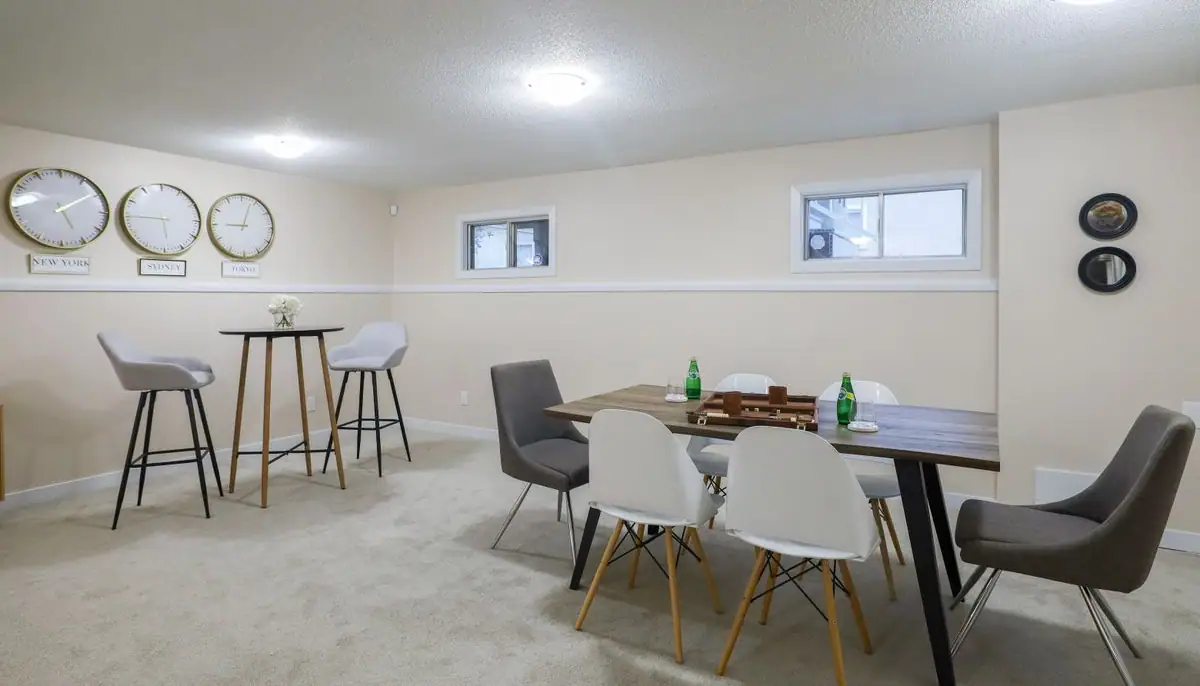
A basement suite can turn a house into two homes: you can live upstairs and rent the basement, or rent both units for two streams of income. But the suite only works as an investment if it is legal — built with the right permits and up to code. Here’s what that means in Edmonton.
What makes a suite “legal”?
In Edmonton, a secondary suite is legal when it has the City of Edmonton approvals it needs and meets the Alberta Building Code. In practice that means:
- A development permit, which confirms the suite is allowed under the zoning for the property
- A building permit for the construction work
- Trade permits for electrical, plumbing and gas or heating work
- Passed inspections, with the final approvals on record
Ads that say “basement suite”, “in-law suite”, “basement development” or “separate entrance” don’t tell you whether a suite is legal. Only the permits do.
Where suites are allowed
Edmonton’s Zoning Bylaw 20001 took effect on January 1, 2024 and allows secondary suites in most residential zones. Check the current zoning rules, permit requirements and fees on the City of Edmonton website before you start. Also check:
- Restrictive covenants or other agreements registered on the land title
- Condominium bylaws, if the home is part of a condo corporation
- Whether the lot already has a garden suite or other backyard housing
Building-code basics
The Alberta Building Code sets out how a secondary suite must be built so that both households are safe. A designer or contractor who works on suites regularly will know the details, but expect the requirements to cover:
- Fire separation between the units, including walls, ceilings and doors
- Smoke alarms that are interconnected between units, and carbon monoxide alarms where there are fuel-burning appliances
- Safe exits, including bedroom windows large enough to escape through
- Ceiling heights and room sizes
- Heating and ventilation arranged so smoke can’t easily travel from one unit to the other
- Sound separation between the units
Steps to legalize an existing suite
- Check the property. Confirm the zoning, title and any condo restrictions.
- Get the space assessed. Have an experienced designer or contractor review what needs to change — windows, ceilings, fire separation, heating and electrical are the usual items.
- Apply for permits. Submit the development and building permit applications with drawings.
- Do the work with licensed trades, pulling the trade permits as you go.
- Pass the inspections and keep copies of every permit and final approval.
Costs vary widely. A basement built with a future suite in mind can be straightforward; an older basement that needs bigger windows, new fire separation and heating changes can be a significant project. Get more than one quote and keep a contingency.
Buying a home with a suite
If the suite is part of the reason you are buying, make permits a condition of your offer:
- Ask the seller for the permits and final inspections
- Confirm with the City of Edmonton what is on file for the address
- Have your home inspector focus on the suite
- Review any existing lease, deposit and rent you would inherit
Many lenders will count part of a legal suite’s rent when you qualify for a mortgage, which is one more reason to get the paperwork right. Browse Edmonton homes with legal suites or set up an alert for new ones.
Renting out the suite
Once it’s legal, the suite is a separate rental under Alberta’s Residential Tenancies Act: its own lease, security deposit, and move-in and move-out inspection reports. If the house has one set of utility meters, the leases usually split the utilities by percentage. Read our guide to Alberta’s deposit and rent increase rules, or let us manage both units for you.
This guide is general information, not legal, tax or financial advice. Rules change — check the official sources linked above and talk to a lawyer, accountant or mortgage professional about your situation.
Edmonton neighbourhoods with the most secondary-suite permits
Of the neighbourhoods we have written guides for, these have the most completed secondary-suite permits in the City of Edmonton's records. Each guide covers the homes there and what renting one out involves.
- Laurel, Edmonton595 permits
- Bonnie Doon, Edmonton144 permits
- Forest Heights, Edmonton129 permits
- Windermere, Edmonton121 permits
- Westmount, Edmonton106 permits
- Strathcona, Edmonton102 permits
Source: City of Edmonton Open Data, Secondary Suites (Completed Permits). A permit on record doesn't confirm that any particular suite is legal today; check the address with the City before you buy.